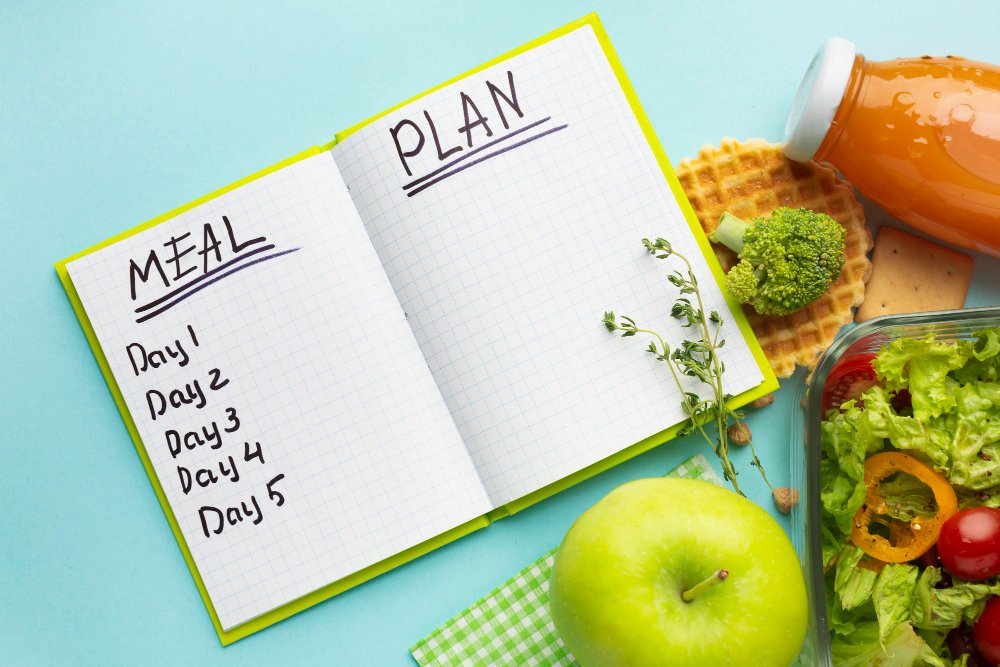
Healthy Diet Plan for Beginners (Step-by-Step Guide)
A healthy diet is the foundation of a strong body, clear mind, and long-term wellness. If you are a beginner and don’t know where to start, don’t worry. This step-by-step guide will help you understand how to build a healthy diet plan for beginners in a simple, practical, and sustainable way.
This article is written with SEO best practices and follows Google’s helpful content guidelines, focusing on real value, clarity, and user intent.
Introduction: Why a Healthy Diet Matters
A healthy diet is not about strict restrictions or starving yourself. It is about eating the right foods in the right amount to give your body the nutrients it needs.
When you follow a balanced diet:
- Your energy levels improve
- Your immune system becomes stronger
- You maintain a healthy weight
- Your mental focus gets better
- You reduce the risk of chronic diseases
For beginners, the goal is not perfection but progress and consistency.
Step 1: Understand the Basics of Nutrition
Before creating a diet plan, you need to understand the three main macronutrients:
1. Carbohydrates
Carbs are your body’s main energy source. Choose healthy carbs like:
- Brown rice
- Oats
- Whole wheat bread
- Fruits
Avoid refined sugar and processed white flour as much as possible.
2. Proteins
Protein helps build muscles and repair body tissues. Good sources include:
- Chicken
- Eggs
- Fish
- Lentils (dal)
- Beans
3. Healthy Fats
Not all fats are bad. Healthy fats support brain and heart health:
- Olive oil
- Nuts (almonds, walnuts)
- Avocados
- Seeds
Step 2: Set Realistic Goals
Many beginners fail because they set unrealistic goals like extreme dieting or rapid weight loss.
Instead, focus on:
- Losing 0.5 to 1 kg per week (if weight loss is your goal)
- Eating home-cooked meals 80% of the time
- Drinking more water daily
- Reducing junk food gradually
Small changes lead to long-term success.
Step 3: Plan Your Daily Meals
A simple beginner-friendly diet plan looks like this:
Breakfast
Start your day with energy-rich foods:
- Oatmeal with fruits
- 2 boiled eggs with whole wheat toast
- Yogurt with honey and nuts
Mid-Morning Snack
- A fruit (apple, banana, or orange)
- A handful of almonds
Lunch
- Brown rice or chapati
- Grilled chicken or lentils
- Salad (cucumber, tomatoes, carrots)
Evening Snack
- Green tea
- Roasted chickpeas or nuts
Dinner
- Light meal is best
- Soup or grilled vegetables
- Small portion of protein
Avoid heavy, oily foods at night.
Step 4: Drink Enough Water
Water is often ignored but it is very important for health.
Benefits of drinking water:
- Improves digestion
- Flushes out toxins
- Keeps skin healthy
- Controls hunger
Try to drink 8–10 glasses of water daily. You can also include lemon water or herbal tea.
Step 5: Avoid Common Diet Mistakes
Beginners often make mistakes that slow down their progress:
1. Skipping Meals
Skipping meals slows metabolism and increases cravings later.
2. Overeating Healthy Foods
Even healthy food has calories. Portion control is important.
3. Relying on Junk “Cheat Days”
One cheat day can turn into unhealthy habits if not controlled.
4. Ignoring Sleep
Poor sleep affects hormones and increases hunger.
Step 6: Add Physical Activity
A diet plan works best when combined with exercise.
You don’t need a gym at the start. Try:
- 30 minutes walking daily
- Light jogging
- Home workouts (push-ups, squats)
- Yoga or stretching
Exercise improves metabolism and supports fat loss.
Step 7: Stay Consistent, Not Perfect
The biggest secret to success is consistency. You don’t need a perfect diet; you need a sustainable one.
If you eat unhealthy one day, don’t give up. Just get back on track the next day.
Progress matters more than perfection.
Step 8: Track Your Progress
Monitoring your progress keeps you motivated.
You can track:
- Weight (once a week)
- Body measurements
- Energy levels
- Mood and sleep quality
This helps you understand what is working and what needs improvement.
Bonus Tips for Beginners
- Eat slowly and chew properly
- Avoid sugary drinks like soda
- Cook at home as much as possible
- Read food labels before buying packaged items
- Add more vegetables to every meal
Small habits create big results over time.
Conclusion
A healthy diet plan for beginners is not complicated. It is about making simple, smart choices every day. Focus on balanced meals, proper hydration, regular activity, and consistency.
Remember, your goal is not a short-term diet but a long-term healthy lifestyle.
Start small today, and your future self will thank you.